 02. Who are we?
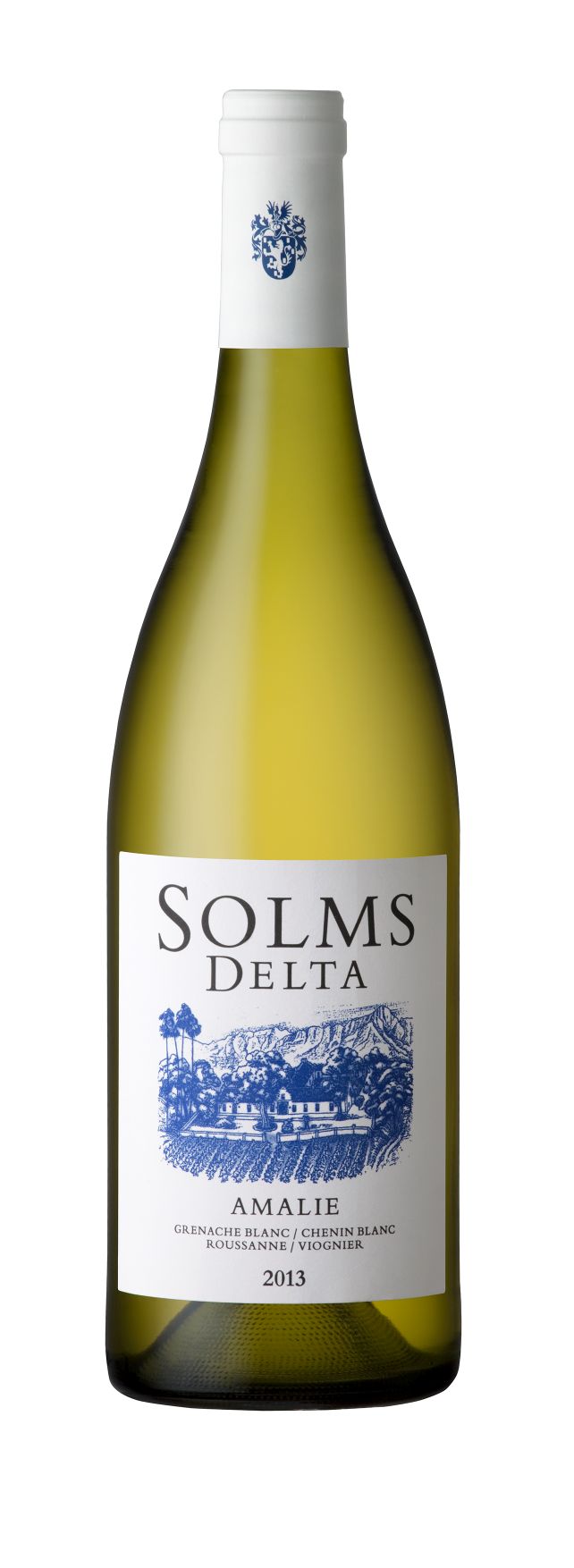
 The latest release of wines from Solms-Delta, the progressive estate situated in Franschhoek, is evidence of the deep changes that have taken hold since the appointment of winemaker Hagen Viljoen in November 2012. A personal highlight has been the 2013 vintages of Solms-Delta Amalie and Solms-Delta Lekkerwijn, Viljoen’s first wines completed from vine-to-bottle.
“The wines were very well received in early tastings,” says Viljoen. “We’re all excited to see how they will be received as broader tastings get underway and comparisons are made.”
The Lekkerwijn 2013 is a full-bodied and textural wine, dominated by Grenache, and includes Mourvèdre and Cinsaut in the blend. The two former varieties were harvested on the estate. The Amalie 2013 is an elegant wine blended from four different regions – Piekenierskloof, Voor-Paardeberg, Swartland and the estate itself – and from four grape varietals, so as to create sublime complexity and balance. It comprises mainly unusual varieties: Grenache blanc blended with Chenin blanc, Roussanne and Viognier.
Previous vintages of the wines have been widely acclaimed with notable achievements including Gordon Ramsay’s selection of the Amalie for the winelist of his New York restaurant, The London.
“Patience is a virtue and even more so in the making of wine. I had anticipated these wines for a long time and suddenly they’ve arrived,” says Viljoen, who celebrates another milestone this year too – his wife, Nicola, is expecting twins in September.
Viljoen dabbled in electronic engineering before being attracted to the wine industry. Following wine studies at Stellenbosch University, he spent time with major wine labels and in a range of the world’s top wine producing regions, including California, New Zealand, Australia and France.
Today, the core team behind the making of Solms-Delta wines comprises Viljoen, assistant winemaker Joan-Marie Heatlie, vineyard manager Francois Vermeulen and internationally respected viticulturist Rosa Kruger.
Solms-Delta has 35ha of the 76ha farm planted to vines. Its reds comprise predominantly Shiraz, Mourvèdre, Grenache and Pinotage. Its white grape varieties include Grenache blanc, Roussanne, Viognier, Chenin blanc, Semillon and Macabeau. For the making of its wines, it also sources grapes from South Africa’s top performing vineyards, relying heavily on Rosa Kruger’s unrivalled knowledge of local terroir.
“We’re always looking for exciting new blocks,” says Viljoen. Among its new additions are Cinsaut from vines dating back to the 1930’s and some Verdelho, which it is currently fermenting with Chenin blanc and Grenache blanc in new concrete egg-shaped fermentation tanks. With no corners to inhibit movement, the egg-shape is said to promote a cyclical flow, promoting optimal fermentation.
This pursuit of innovation is a core philosophy at the estate. During its early establishment, director Mark Solms, a world renowned neuroscientist, introduced varietals suited to the climate and soils of the famous Franschhoek Wine Valley as well as the ancient Mediterranean practice of vine desiccation. The overall result is a uniquely South African stable of wines offering a cascade of tastes and styles.
Solms-Delta is home to the Museum van de Caab, a treasury of artefacts unearthed at the estate and testament to all who lived and worked there over the centuries; and, a garden of indigenous plants that supplies the estate’s Fyndraai restaurant.
The estate has also become known for its activities around heritage preservation, which will soon see the official opening of a music heritage centre. The Music van de Caab Cape Rural Music Centre is the result of ongoing research and community development work that highlighted the essential part that music plays in the social fabric of the farm. A Cape music research project was established and is led by two salaried teachers and three part time tutors and consultants. This rural music project now comprises a 32-member choir, a 70-piece brass band and two smaller folk bands – all playing and developing the authentic music of the Cape. The music programme on the farm is a recognised project for World Design Capital Cape Town 2014 (#WDC536).
Recognised as an extremely powerful tool for transformation, these traditions will be accommodated in one of Solms-Delta’s old farm buildings recently renovated for this purpose.
All projects on the farm take place in the context of Solms-Delta’s larger, pro-active approach to land reform, which is centred on two beliefs: the imperative for sustainable, industry-wide land reform to take place; and the need for a positive, incentivized approach to ensure its success.
At Solms-Delta, the participation of workers in land ownership was funded not by government but by fellow shareholders with commercial bank support.
Solms-Delta can be followed on Twitter @solms_delta, liked on Facebook / solmsdelta, or visited at www.solms-delta.co.za for more information or +27 (21) 874 3937.